During Christmas of 1946 the world was introduced to George Bailey. A quiet man struggling with his own thoughts. He was sickly in appearance, despondent in gaze, and overall appeared as a man with a broken spirit. In fact, one crisp winter night as snow fell from the blackness above, George stood on a bridge and contemplated ending it all. He looked at the turbulent waters beneath the bridge and weighed the consequences of hurling himself into the frigid monster over the shortcomings of his life.
Bailey always wanted more for himself, and for his family. He felt as if he had failed. Accomplishing almost nothing of what he had set out to do in life. As thick, round flakes of snow attached themselves to Bailey’s coat, hair, and all other things, he began to feel more resolved in his decision to rid himself of this life. Or, this life of himself. But something stopped Bailey on the bridge that night — an angel. Yes, a heavenly specter.
George Bailey was saved that night by an unlikely spirit named Clarence, and I am happy to say that Mr. George Bailey went on to live a perfectly wonderful life!
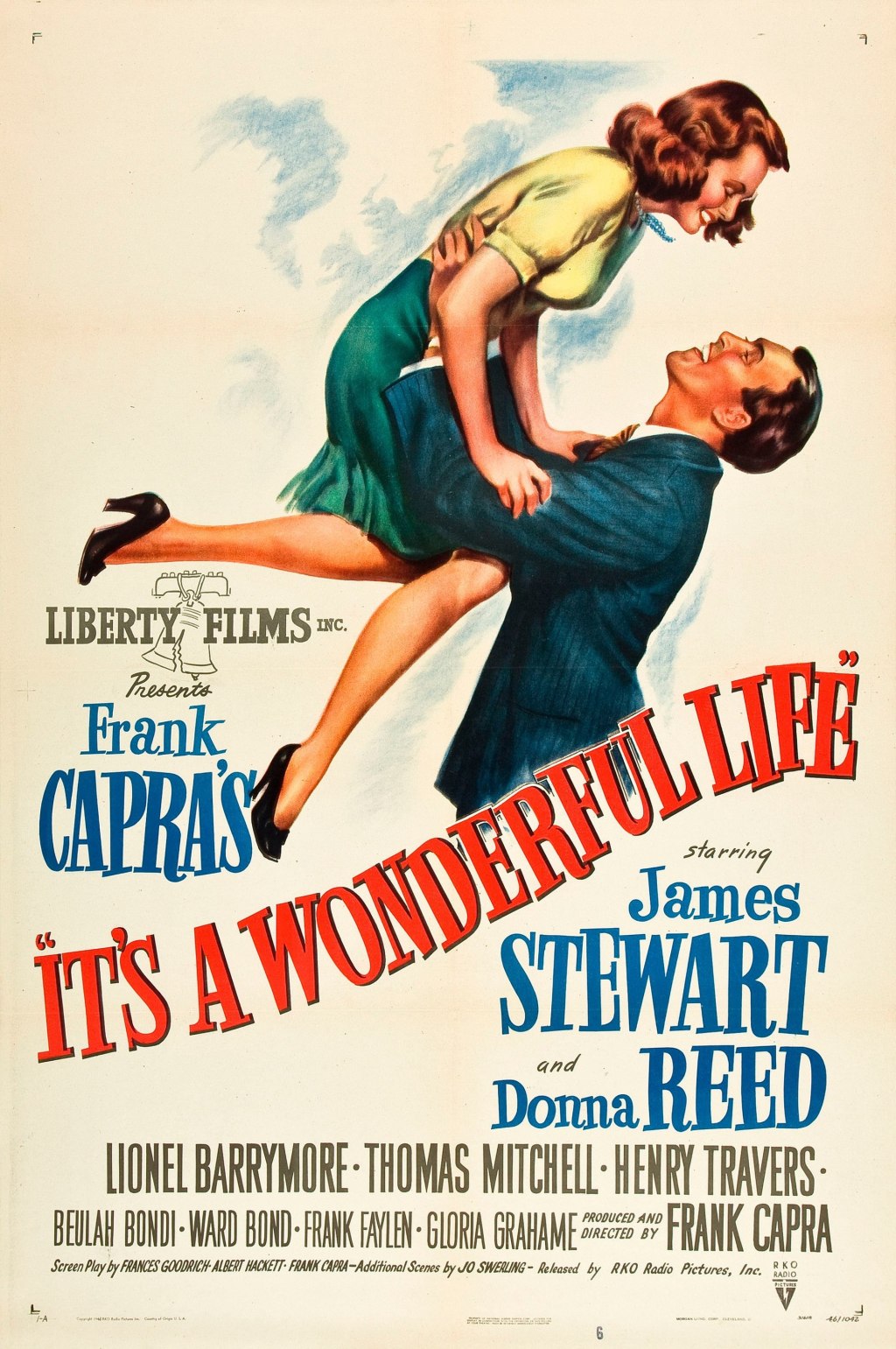
December 20th, 1946, Rox studios released the now timeless classic, It’s a Wonderful Life. It was by all measures a box office flop. However, much like the featured character, George Bailey, It’s a Wonderful Life would go on to have…well…a wonderful life. Even today. It’s an enduring Christmas classic.
But do you know what’s so remarkable about this venerated piece of cinema? The world was not only introduced to the somber George Bailey, it was also unwittingly presented with painful depictions of PTSD, all of which were unscripted and unplanned.
…I’ll explain.
James Stewart, the handsome Hollywood talent who had been cast to portray Mr. Bailey was a well known actor of his time. After WW2 began, Stewart felt a call-to-action spreading inside of him. He made the concerted decision to leave the glitz, glam, and success of Hollywood to enlist in the United States Armed Forces.
James Stewart entered the army as a private. Despite his status as a Hollywood star, Stewart refused special treatment, even thwarting commands at times to join the rest of his squadron in flying intense combat missions. One of which would see over 130 men perish. Many of whom Stewart knew personally. After twenty truculant combat missions flown over Germany, he would leave the army as a Colonel in the Army Air Corps.
Stewart was said to have been suffering from “Flak Happy,” which we now refer to as PTSD, and was grounded from any further flight missions. When Stewart returned stateside after the war, he was offered the role of George Bailey in 1946; this was at the zenith of James Stewart’s post war turmoil. As a result, much of what we see unfurl on screen are unrehearsed offerings of a wounded man’s soul speaking through scripted dialogue. In particular the scene on the bridge, Stewart was not supposed to cry or convey such raw emotion, but when he did and the scene ended, James Stewart stayed on the bridge crying in agony. The cast and crew watched on with solemnity.
Numerous scenes throughout the film depict Stewart’s ailing mental and physical health, and in juxtaposition we are gifted an intimate glance at a man who gave his all, both on screen, and above the skies of Germany in WW2.
The film has since gone on to become a Christmas classic. A staple aired on screens the world over. I always like to remind myself and others just how truly special that movie really is, and how tremendous a soul Mr. Stewart was.
It’s an ageless story, a unique tale, and a lovely reminder that this undoubtedly is…a wonderful life! 🎄❄️
3 responses to “Unveiling the Depths of ‘It’s a Wonderful Life’: James Stewart’s Battle with PTSD and the Unscripted Emotion Behind a Christmas Classic”
-
-
[…] shift in his acting career. Initially struggling to find work, Stewart was offered the role of George Bailey in “It’s a Wonderful Life” (1946). This role proved to be a turning point, allowing Stewart to channel his wartime […]
LikeLike


Hello,
I’m Matthew

Welcome to the official blog of Matthew Heneghan — author of A Medic’s Mind and Woven in War, and host of the trauma-focused podcast Unwritten Chapters.
As a former Canadian Armed Forces medic and civilian paramedic, I’ve lived through the raw edges of trauma, addiction, grief, and healing. Through honest storytelling and lived experience, I write and speak about PTSD, trauma recovery, mental health awareness, and resilience — especially from the lens of veterans and first responders.
If you’re searching for real-life stories of overcoming adversity, the effects of service-related trauma, or insight into the recovery process after hitting rock bottom — you’re in the right place. My goal is to foster connection through shared experience, break stigma, and offer hope.
Explore the blog, tune into the podcast, and discover how writing became a lifeline — and might just become yours, too.
Let’s connect
Join the fun!
Stay updated with our latest tutorials and ideas by joining our newsletter.






 Author Matthew Heneghan
Leave a reply to ardeleana Cancel reply