I wake up with my heart trying to punch its way up through my throat like it’s late for a Black Friday sales event.
There’s a scream in the room.
Or…there was.
That’s the tricky bit. It’s already gone by the time I sit up, drenched in a panic-stained sweat, sheets twisted around my legs like vines in a jungle. My mouth is dry and open. The room is quiet. The kind of quiet that strangles your thoughts and refuses respite. As the sweat cools, I glance at the clock—4 a.m.—another broken mind wake-up call. PTSD is like some asshole at hotel reception choosing what time you get the courtesy call you never asked for.
I know that scream though. I always do.
It’s a woman. Mid-thirties, maybe. Could be younger. Could be older. A life lived hard has a way of aging the skin and soul faster than we realize. Trauma scrambles the details but preserves the soundtrack in pristine Dolby ATMOS. I had just told this woman that I was unable to save her husband. He was dead in the room, laying on the carpeted floor in front of the couch.
Overdose.
A bad hit of Fentanyl.
His lips were as blue as early morning sky when we arrived. I knew he was dead before ever laying a finger on him. But we tried all the same.
Years ago, I wore a uniform and drove fast with lights on top of the vehicle, pretending I was a hero while silently hoping today wouldn’t be the day the world found out I was a fraud. A drunk in paramedic blue.
Every time someone died I worried it was my fault. Even if I knew better, I wore the guilt like an invisible shackle. Working in a big city—eventually I was nothing more than chains rattling through life and sitting in dive bars.
They weren’t nightmares back then. They were calls. Bad ones. Or, “big,” as we’d call em. As if slapping a euphemism on a human catastrophe made it easier to swallow.
Whiskey sometimes did.
But drinking from a flask in a stranger’s house is frowned upon…apparently.
This one never went down easy.
That woman wailed like a banshee caught in a rusted bear trap.
PTSD, as I’ve come to learn, is a despotic time-traveler. It doesn’t give a damn about calendars or years or the well-spoken clichés people toss around like pocket change—time heals all wounds, everything happens for a reason, have you tried yoga?
All well meaning. All bullshit.
PTSD hears all that and laughs like a drunk uncle at Thanksgiving. Then it sets the dial wherever the hell it wants. Tonight, it was that call.
I don’t remember the address anymore. I don’t remember what street, what avenue, or what year. But I remember her voice like it’s tattooed on the inside of my skull. I remember the sound it made when hope fled her soul like the light that fades from night.
Some wounds don’t scar. They linger. Dangle on some broken piece of me.
They set up shop in the back of my mind, pay no rent like a shitty roommate, and throw wild parties at three or four in the morning. They don’t fade into thin white lines you can point to on some map of human experience later and say, See? I healed. No. Some sounds stay raw in a way that’s invisible to everyone but you.
I swing my legs off the bed and wait for my hands to stop shaking. They always do. Eventually.
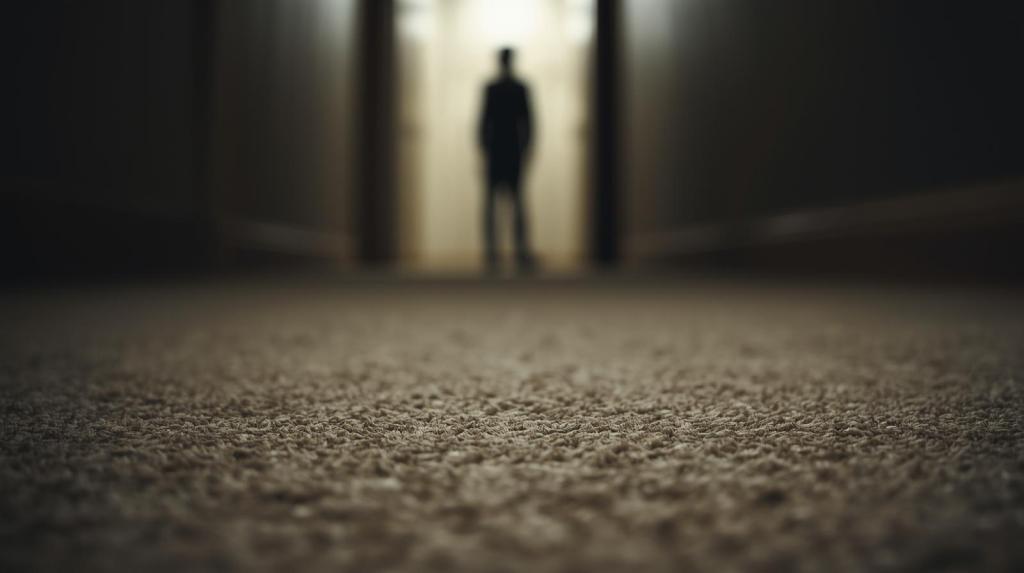
I breathe like I was taught—slow, deliberate, like I’m trying to convince my nervous system that I’m not actually back there, kneeling on beige carpet listening to a woman scream at a universe that had already made up its mind.
The thing about surviving is that it’s not a clean victory.
When I left that apartment I went back to work, back into the noise of the city. To another call. To another poor schmuck’s worst moment. She stayed that apartment.
Her scream didn’t.
I don’t know if time actually heals all wounds. But I know this: some wounds refuse to go quietly into the goodnight. This is why I fear going to sleep some nights—because there are things that live within the shadows of my blackened room that at a time of their choosing, decide to recall themselves and remind me that I was there. That I was witness…and now they have become my lullaby.




 Author Matthew Heneghan
Leave a comment